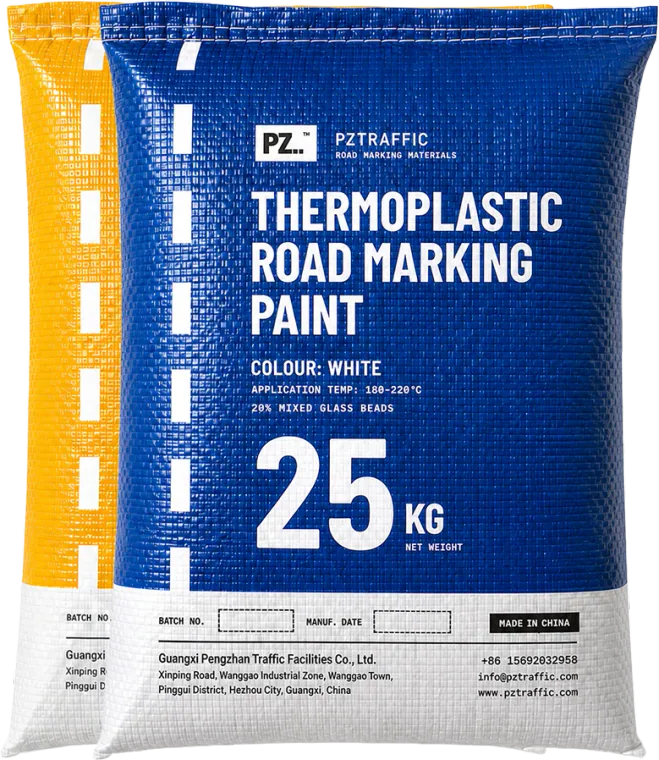
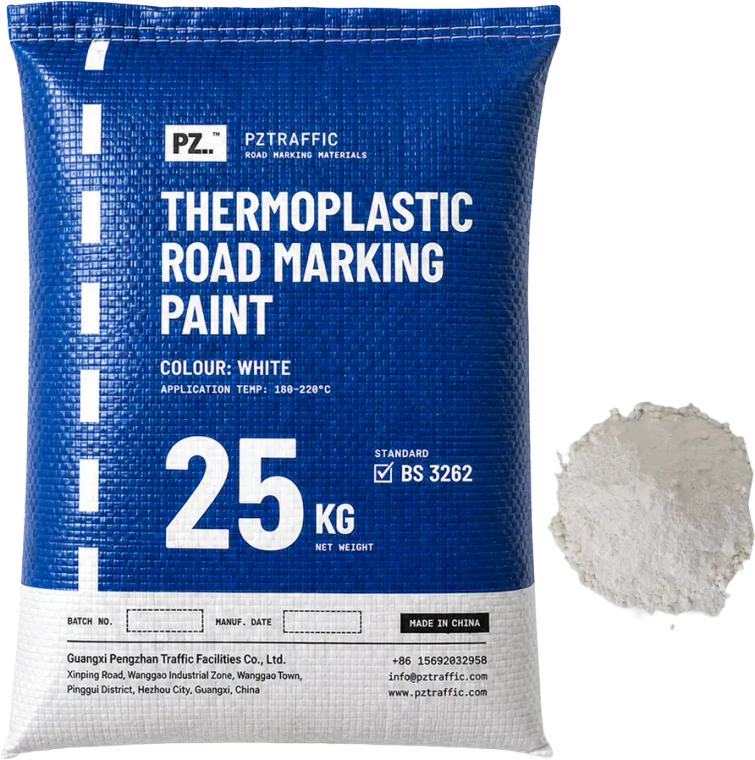
Peinture thermoplastique de marquage routier avec 20% de microbilles de verre prémélangées
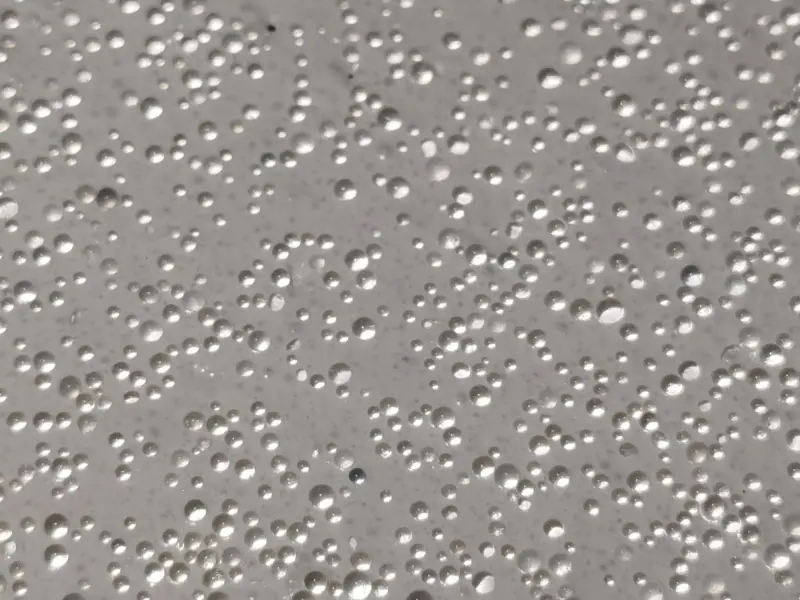
Matériau thermoplastique de marquage prémélangé en usine avec 20% de microbilles de verre à haute réflectivité. Ces microbilles constituent la réserve de réflectivité de la ligne : à mesure que le trafic use la surface, de nouvelles billes sont exposées, ce qui maintient la réflectivité pendant toute la durée de service — un bon choix pour les routes à fort trafic.
- NOM DU PRODUITPeinture thermoplastique de marquage routier
- CONDITIONNEMENT25 kg / sac
- COMPOSITION PRINCIPALE20% de microbilles de verre prémélangées
- ÉGALEMENT APPELÉPeinture routière thermofusible · peinture de ligne routière appliquée à chaud · composé thermoplastique de marquage de chaussée
- LIEU D’ORIGINEGuangxi, Chine
- APPLICATIONÀ chaud (fondu et appliqué sur chantier)
- FORMEPoudre
- TEMPS DE SÉCHAGE2–5 minutes en moyenne
Pourquoi le dosage du prémélange est important
Une ligne routière réfléchissante utilise deux types de microbilles : celles qui sont saupoudrées sur la surface pendant l’application, et celles qui sont prémélangées au matériau en usine. Voici le rôle du prémélange à 20% et sa comparaison avec les normes courantes.
Two bead systems, two jobs
| Bead system | Where it sits | What it does |
|---|---|---|
| Premix beads — 20% in this product | Blended through the material at the plant | Exposed progressively as the line wears — sustains retroreflectivity over the service life |
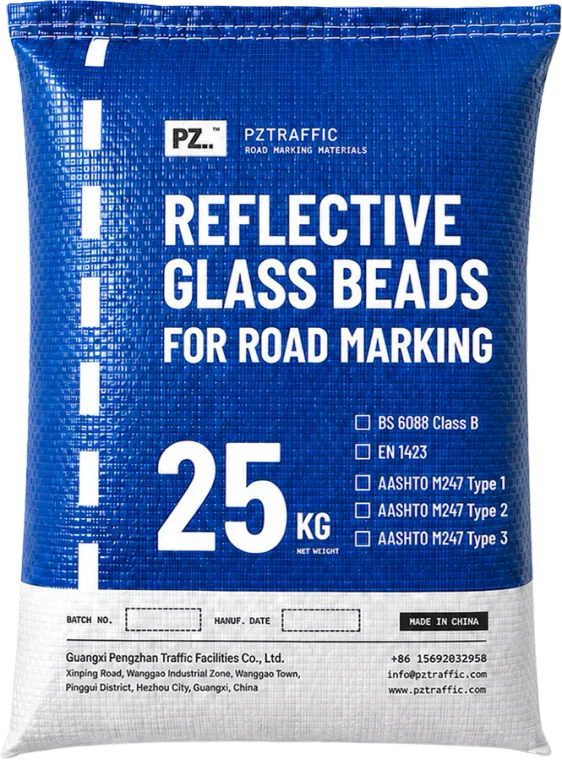
| Drop-on beads | Spread onto the hot line during application | Embed at the surface — provide the initial retroreflectivity |
The two are not interchangeable: drop-on beads alone give a bright first inspection and a dim second year, premix alone wastes its reserve waiting for wear. So we recommend using the two together: the drop-on beads deliver the high initial retroreflectivity, and the premix beads keep the line reflective throughout its service life.
Where 20% sits in the standards
| Standard | Premix bead requirement |
|---|---|
| BS 3262-1:1989 | ≥ 20% when the line must reflectorize — counted inside the 80 ± 2% solids total. This product meets that threshold. |
| BS 6088 Class A (premix beads) | 65 – 95% retained on a 425 µm sieve, ≥ 70% true spheres, refractive index ≥ 1.50 |
| AASHTO M 249-12 (2024) | 30 – 40% uncoated M 247 Type I — a different band: for M249 tenders, order our M249 grade instead |
| EN framework | Premix beads specified via EN 1424; the line’s performance is judged by EN 1436 RL classes |
What is in the bag
Thermoplastic binder, titanium-dioxide pigment, and calcium-carbonate and quartz filler ground in our own plant behind the coating lines — no outsourced filler, no trader margin — with 20% glass beads blended evenly through the batch. White and yellow, screed, spray or extrusion grades, formulation tuned to the standard your tender names.
De notre ligne à votre port
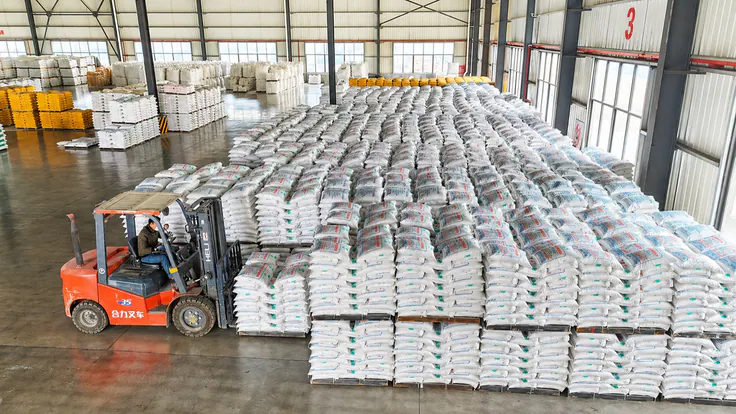
- Sacs tissés PP de 25 kg net — imprimés sous la marque PZTRAFFIC ou sous la vôtre : l’impression OEM des sacs est possible.
- Ensachage automatique et palettisation robotisée sur les lignes thermoplastiques de notre site de Hezhou.
- Chaque lot est validé par notre laboratoire interne avant d’être palettisé pour le chargement.
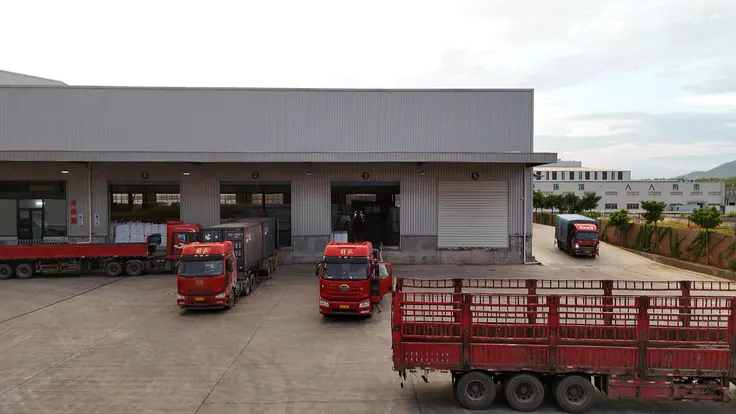
- Expédition depuis le port de Qinzhou — Livraison en Asie du Sud-Est sous 5–15 jours, et en Afrique et dans les Amériques sous ~30 jours en moyenne. Conditions commerciales EXW / FOB / CIF.
- Documents FORM E / ACFTA disponibles pour les acheteurs de l’ASEAN.
À associer avec
Questions d’achat
Q-01Does the 20% loading satisfy BS 3262?
Yes — BS 3262 requires at least 20% premix solid glass beads when the line must reflectorize, counted inside the standard’s 80 ± 2% solids total. This product is our BS 3262 reflectorized grade; for AASHTO M 249 tenders, note the band there is 30–40%, so order our M249 material instead.
Q-02Do I still need drop-on beads with a premix product?
Yes. Premix beads surface only as the line wears — they sustain reflectivity, they don’t create the initial reading. Drop-on beads embedded during application do that. Specify the drop-on grade and rate in your project documents; we supply both in one container.
Q-03Can you provide samples?
Yes — free samples of 1–2 kg for any product. Whatever you pay for the sample and its freight is credited in full against your next purchase. Email info@pztraffic.com with the products and standards you need.
Q-04Which trade terms do you support?
We can provide EXW, FOB, CIF services, etc.
Recevez un devis sous 24 heures
Veuillez remplir le formulaire ci-dessous et nous vous contacterons.