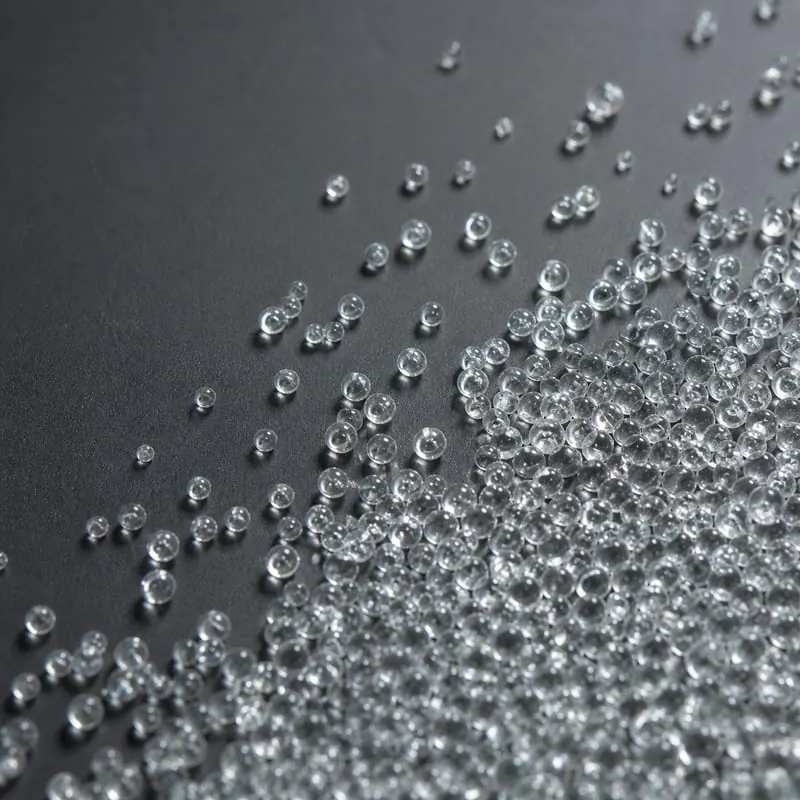
ลูกแก้วสะท้อนแสงสำหรับงานตีเส้นจราจร
ลูกแก้วตันช่วยให้เส้นจราจรสว่างในเวลากลางคืน โดยโปรยลงบนเส้นร้อนเพื่อให้สะท้อนแสงกลับได้ทันที หรือผสมล่วงหน้าในวัสดุเพื่อให้เส้นยังสะท้อนแสงเมื่อเกิดการสึก ผลิตภัณฑ์นี้ผลิตให้เป็นไปตาม BS 6088 Class B และสามารถเคลือบกันความชื้นหรือเคลือบลอยตัวได้ตามคำขอ
- ชื่อผลิตภัณฑ์ลูกแก้วสะท้อนแสงสำหรับงานตีเส้นจราจร
- บรรจุภัณฑ์25 kg / ถุง
- เกรดBS 6088 Class B (ชนิดโปรยหน้า)
- วัสดุแก้วโซดาไลม์ไร้สี — SiO₂ ≥ 70%
- ดัชนีหักเหแสง≥ 1.50
- การเคลือบผิวเคลือบกันความชื้น (M) / เคลือบลอยตัว (F) — ระบุเมื่อสั่งซื้อ
- แหล่งกำเนิดจีน
- การใช้งานโปรยลงบนเส้นขณะยังร้อน
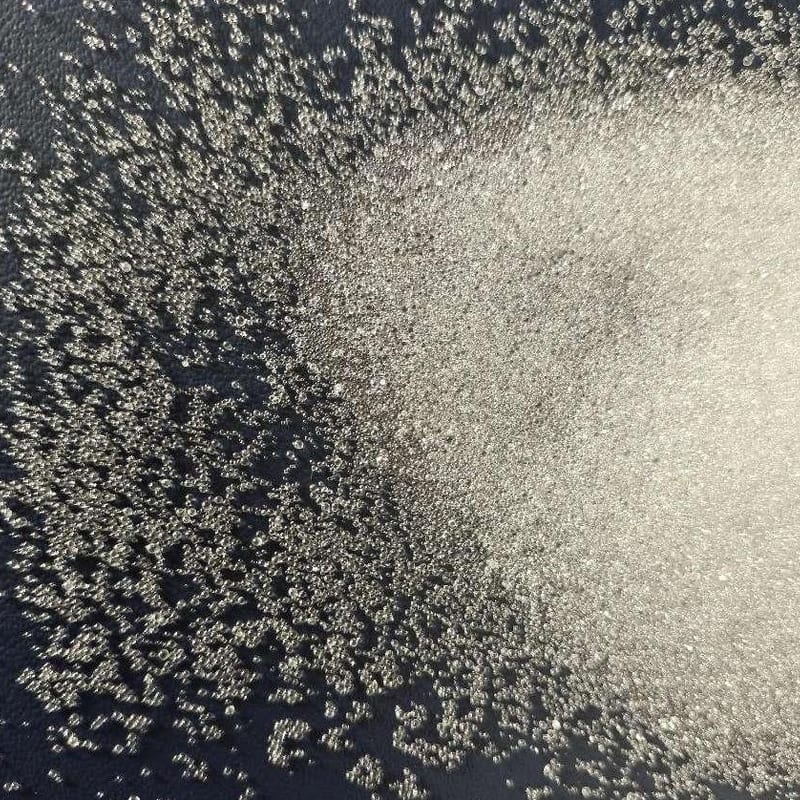
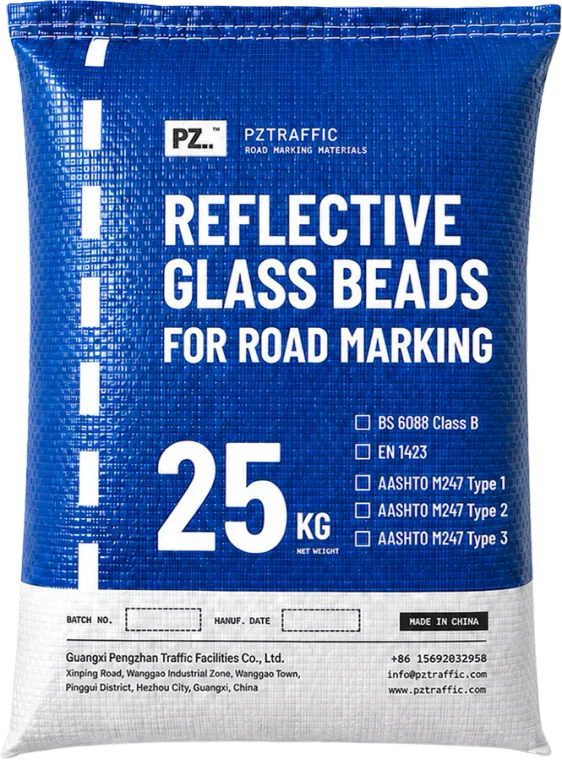
ข้อกำหนดของ BS 6088B
“BS 6088B” หมายถึง Class B ซึ่งเป็นเกรดชนิดโปรยหน้าตามมาตรฐานลูกแก้วของสหราชอาณาจักร BS 6088:1981 ในสหราชอาณาจักรและสหภาพยุโรป มาตรฐานนี้ถูกแทนที่ด้วย BS EN 1423:2012 ในปี 2013 แต่ในตะวันออกกลาง เอเชียตะวันออกเฉียงใต้ และแอฟริกา ยังคงเป็นรหัสการค้าที่งานประกวดราคาและเอกสารข้อมูลอ้างอิงกันโดยทั่วไป ตารางด้านล่างอ้างอิงข้อกำหนดจากตัวมาตรฐานโดยตรง
Two jobs, two classes
Retroreflection works like this: headlight beams enter the exposed crown of a bead sitting in the line, refract inside the glass, reflect off the bead–paint interface and return toward the driver. BS 6088 splits beads by where they sit in that system:
| Class | Role | Trade name |
|---|---|---|
| Class A | Mixed into the thermoplastic at the factory — exposed layer by layer as the line wears, keeping it reflective for life | Premix / intermix beads |
| Class B | Spread onto the freshly laid hot line or wet paint — embeds in the surface and reflects from the moment the road reopens | Drop-on / surface beads |
| Class C | Peening, plastic reinforcement and other industrial uses | Industrial beads |
The two road classes pair with the British thermoplastic standard: BS 3262 calls for premix beads to BS 6088 Class A when the line must reflectorize, with Class B dropped on during application. The classes are not interchangeable — A is deliberately coarser and lives inside the material; B is sized to embed about half-deep in the surface.
Class B gradation — Table 2 of the standard
| Sieve size | Retained, % by mass |
|---|---|
| 850 μm | 0 – 5 |
| 600 μm | 5 – 20 |
| 300 μm | 30 – 75 |
| 180 μm | 10 – 30 |
| passing 180 μm | 0 – 15 |
The working range is 180–850 μm with the bulk at 300–600 μm — big enough to sit proud of the coating and form a reflecting crown, small enough to embed and stay put. Note the table is written as retained per sieve, not cumulative passing: the two formats give completely different numbers, and misreading one as the other is the most common mistake when auditing a datasheet. For comparison, the premix grade (Class A, Table 1) runs coarser: 0–3% retained at 1.18 mm, 5–20% at 850 μm, 65–95% at 425 μm, 0–10% passing 425 μm.
Bead quality — beyond the sieve
| Property | Class A (premix) | Class B (drop-on) |
|---|---|---|
| Spherical beads, minimum | ≥ 70% | ≥ 80% |
| Defective beads, maximum | ≤ 30% | ≤ 20% |
| Refractive index | ≥ 1.50 | ≥ 1.50 |
| Magnetic particles | ≤ 0.1% | ≤ 0.1% |
| Glass | colourless soda-lime silicate — SiO₂ ≥ 70%, CaO + MgO ≥ 8% | |
Drop-on roundness is set tighter than premix because the sphere shape of a surface bead directly drives the initial night-time brightness. Defective beads — ovals, twins, shards, milky or bubbled glass — are counted under the microscope. The standard also proves durability with four chemical-resistance tests: water, acid and calcium chloride exposure must leave the bead surface without haze or dulling, and a sodium sulphide bath must not darken the beads — a simple screen against high-lead recycled glass, which turns black on contact.
Coatings, and how to order
Class B beads can carry two buyer-specified surface treatments: M, a moisture-proof coating that keeps the beads free-flowing through the dispenser in humid transit and storage, and F, a flotation coating that helps the bead sit at the right depth in the wet coating. A complete order code reads “BS 6088 Class B (M)” or “(M+F)”. A clean tender clause looks like this:
“Glass beads shall conform to BS 6088:1981 Class B, with moisture-proof coating (M); roundness ≥ 80%; refractive index ≥ 1.5; gradation as per Table 2 of the standard.”
In practice, hot-applied thermoplastic takes a drop-on rate around 400–500 g/m² and cold paint 250–450 g/m², with the bead embedded 50–60% of its diameter for best return — useful working figures, but they are industry practice, not clauses of BS 6088, so state your project’s own rate in the contract.
BS 6088B, EN 1423, AASHTO M247 — which to cite
| BS 6088:1981 Class B | BS EN 1423:2012 | AASHTO M247 | |
|---|---|---|---|
| Status | Superseded in UK/EU, still the global trade code | Current UK/EU standard (CE/UKCA route) | Current US standard — M 247-26 since 2026 |
| Gradation | Fixed table in the standard (180–850 μm) | Declared by the manufacturer | Fixed tables, Type 1–4 |
| Refractive index | ≥ 1.50, one class | Three classes: ≥ 1.5 / ≥ 1.7 / ≥ 1.9 | ≥ 1.50 (Type 1/2) |
| Roundness | ≥ 80% | Declared per its own annex | ≥ 70% |
| Heavy metals | No ppm clause (Na₂S test screens lead glass) | As / Pb / Sb each ≤ 200 ppm | Per project / federal add-ons |
The BS 6088B band (180–850 μm) overlaps closely with M247 Type 1 — they are effectively the British and American write-ups of the same size class, with BS 6088B holding the stricter roundness. One caution for 2026 contracts: AASHTO revised the bead standard to M 247-26, so name the year rather than writing “latest M 247”. EU or UK projects should be quoted against EN 1423 instead — the same product can satisfy both, but the paperwork differs. Tell us which code your tender cites and we quote against that text.
จากสายการผลิตของเราถึงท่าเรือของคุณ
- ถุงกันความชื้นขนาด 25 kg — ถุงสาน PP หรือถุงกระดาษมีซับใน 40–48 ถุงต่อพาเลต และมีถุงบัลก์ขนาด 1 t ตามคำขอ
- ทำเครื่องหมายตามมาตรฐาน — ระบุ BS 6088, class, รหัสการเคลือบ (M / F), น้ำหนักสุทธิ, หมายเลขล็อต และวันที่ผลิตบนทุกถุง โดยตรงกับ COA ของล็อต
- ทุกล็อตผ่านการตรวจจากห้องปฏิบัติการภายในโรงงาน — ตรวจวิเคราะห์ขนาดตะแกรง นับความกลม และตรวจลักษณะภายนอก — ก่อนจัดเรียงเพื่อรอการบรรทุก
- จัดส่งจากท่าเรือชินโจว — ถึงเอเชียตะวันออกเฉียงใต้ภายใน 5–15 วัน และถึงแอฟริกากับทวีปอเมริกาโดยเฉลี่ยประมาณ 30 วัน รองรับเงื่อนไขการค้า EXW / FOB / CIF
- บรรทุกร่วมกับคำสั่งซื้อสีของคุณ — ลูกแก้วและวัสดุเทอร์โมพลาสติกอยู่ในตู้คอนเทนเนอร์เดียวกัน จัดส่งเที่ยวเดียว ใช้เอกสารชุดเดียว
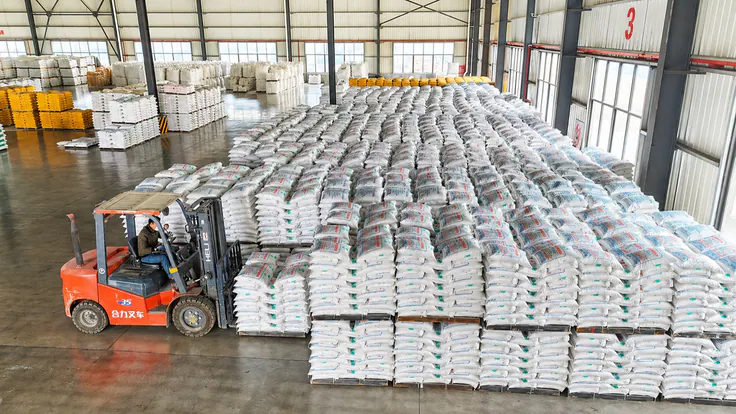
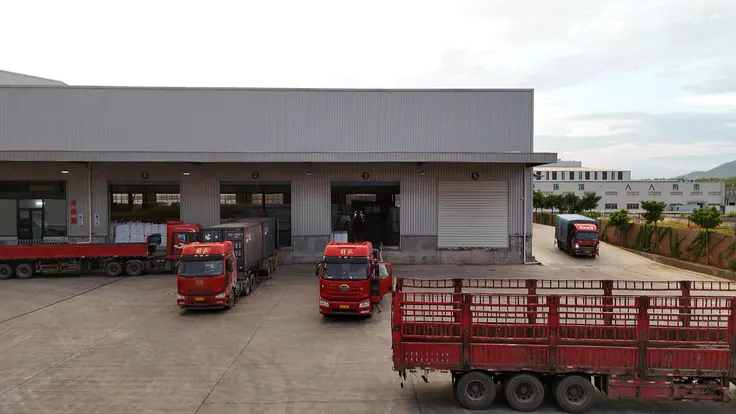
ใช้งานร่วมกับ
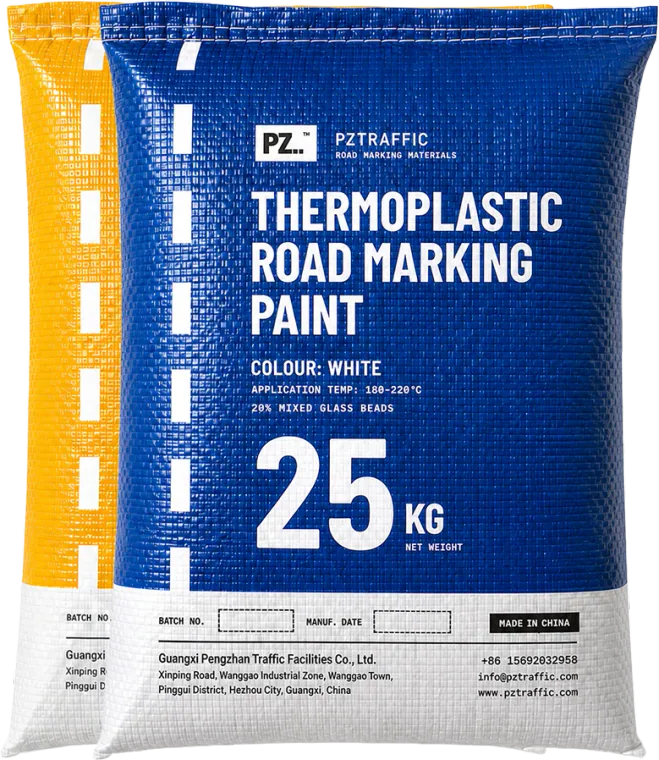
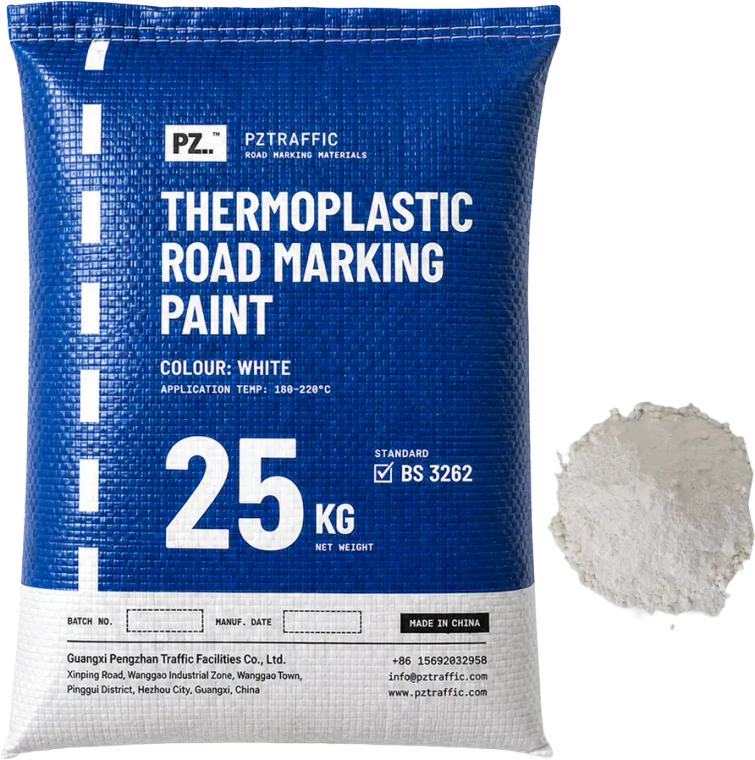
คำถามก่อนสั่งซื้อ
Q-01BS 6088 shows as “superseded” — can I still buy against it?
Yes. BS 6088:1981 was replaced by BS EN 1423:2012 inside the UK and EU, but across the Middle East, Southeast Asia and Africa it remains the specification tenders actually write. If your project cites BS 6088 Class B, we supply and certify against that text; if it needs the EN route, we quote EN 1423 with the manufacturer declarations it requires.
Q-02What is the difference between Class A and Class B beads?
Class A is the coarser premix grade, blended into the thermoplastic at the factory and exposed as the line wears — it carries the long-term reflectivity. Class B is the finer drop-on grade, spread onto the hot line during application for instant brightness. A reflectorized line normally uses both, and they are not interchangeable.
Q-03Do you supply coated beads?
Yes — moisture-proof (M) coating to keep the beads free-flowing in humid climates, and flotation (F) coating for controlled embedment, alone or combined. State the coating code in your order; uncoated premix beads for AASHTO M249 material are also in the catalog.
Q-04Which trade terms do you support?
We can provide EXW, FOB, CIF services, etc.
รับใบเสนอราคาภายใน 24 ชั่วโมง
โปรดกรอกแบบฟอร์มด้านล่าง แล้วเราจะติดต่อกลับ