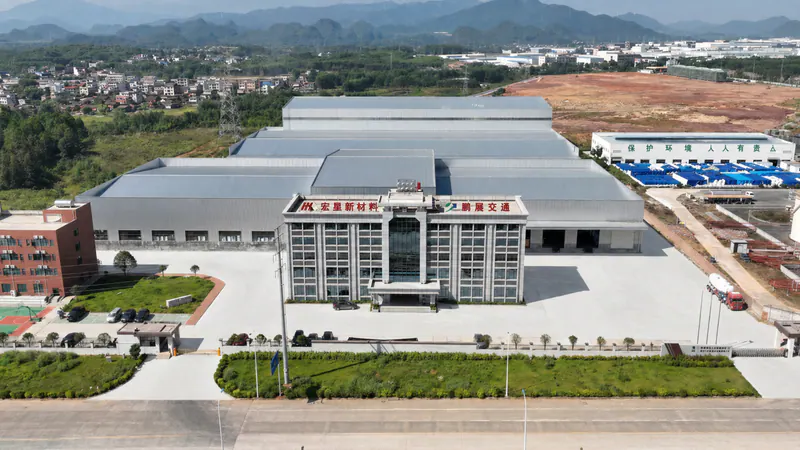
Peinture thermoplastique de marquage routier EN 1436/EN 1871
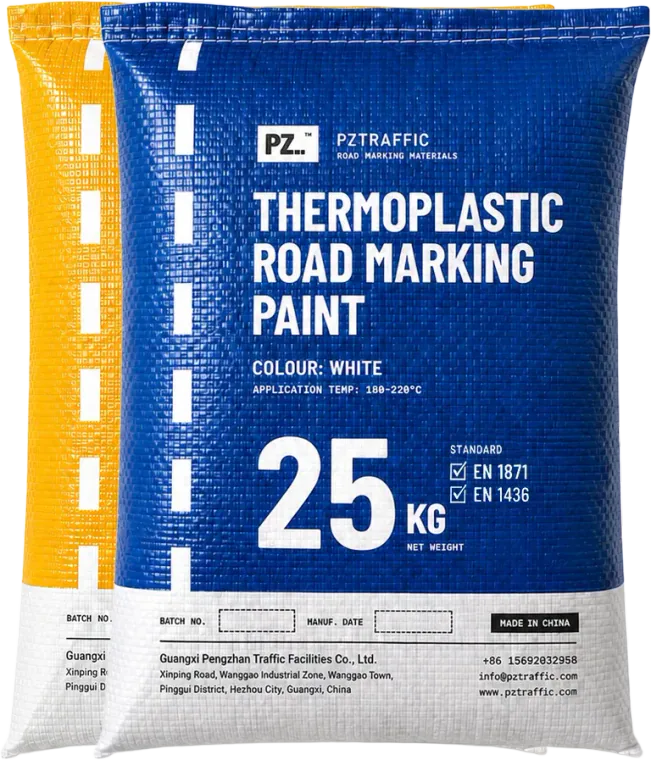
Matériau thermoplastique de marquage destiné aux appels d’offres rédigés selon le cadre européen. La plupart des acheteurs connaissent le produit par la norme de performance que la ligne doit atteindre sur route — EN 1436:2018 et ses classes R / Q / S — tandis que le matériau lui-même est spécifié par EN 1871:2020.
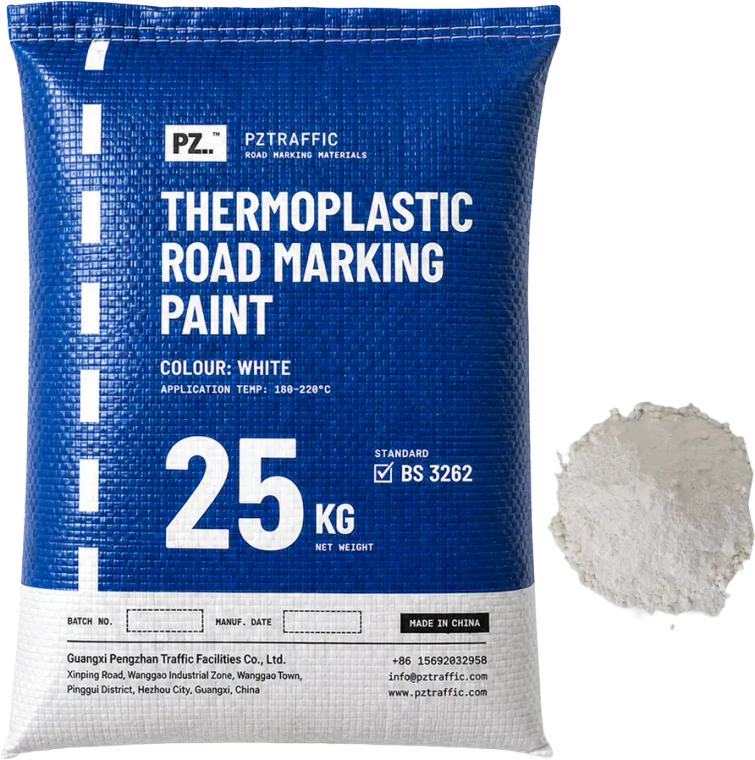
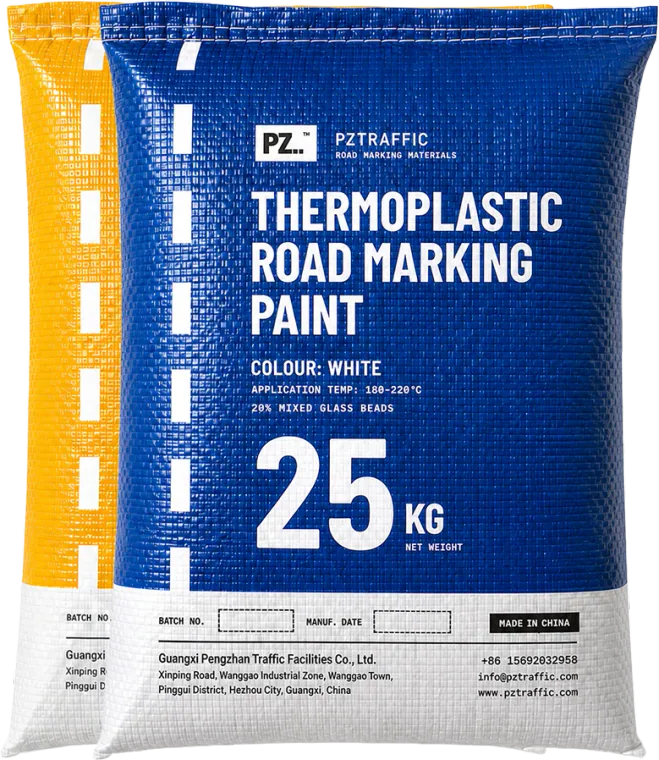
- NOM DU PRODUITPeinture thermoplastique de marquage routier
- CONDITIONNEMENT25 kg / sac
- NORMESClasses de performance routière EN 1436:2018 · propriétés du matériau EN 1871:2020
- ÉGALEMENT APPELÉPeinture routière thermofusible · peinture de ligne routière appliquée à chaud · composé thermoplastique de marquage de chaussée
- LIEU D’ORIGINEGuangxi, Chine
- APPLICATIONÀ chaud (fondu et appliqué sur chantier)
- FORMEPoudre
- TEMPS DE SÉCHAGE2–5 minutes en moyenne
Comment le cadre EN définit la spécification
Contrairement à BS 3262 ou AASHTO M 249, le système européen sépare les rôles : EN 1436 classe les performances de la ligne sur route, tandis que EN 1871 couvre les propriétés physiques du matériau en laboratoire. Aucune ne fixe une valeur unique de réussite ou d’échec — ce sont deux systèmes de classes parmi lesquelles l’appel d’offres doit choisir. Les valeurs ci-dessous reprennent EN 1436:2018 ; les résultats de notre matériau selon les classes choisies figurent dans la fiche technique de chaque commande.
One material, two standards
| Standard | What it governs |
|---|---|
| EN 1436:2018 | Performance classes on the road — retroreflectivity, daytime visibility, colour and skid resistance. The standard tenders actually cite, and the one buyers search for |
| EN 1871:2020 | Laboratory physical properties of the marking material — paint, thermoplastic and cold plastic |
| EN 1824 | Road trials |
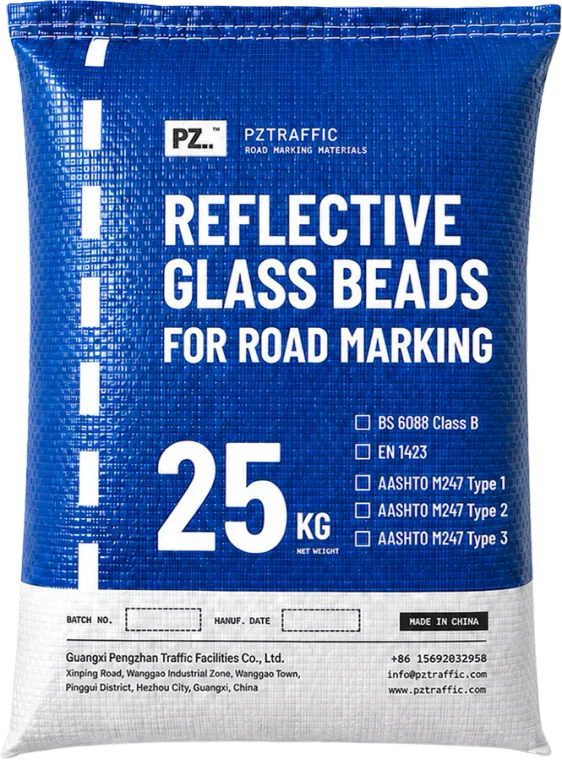
| EN 1423 / EN 1424 | Glass beads — drop-on / premix |
EN 1871 is the functional successor of BS 3262 Part 1 — the British formulation standard it declared obsolescent in 2000. Markets with a BS heritage often cite both in the same tender; we manufacture to either framework.
Night-time visibility — RL classes, EN 1436:2018
| Condition | Classes | Minimum RL steps (mcd·m⁻²·lx⁻¹) |
|---|---|---|
| Dry — permanent white | R2 – R5 | 100 / 150 / 200 / 300 |
| Dry — permanent yellow | R1 – R5 | 80 / 100 / 150 / 200 / 300 |
| Wet — 1 min after wetting | RW1 – RW6 | 25 / 35 / 50 / 75 / 100 / 150 |
| Rain — 20 mm/h continuous | RR1 – RR6 | 25 / 35 / 50 / 75 / 100 / 150 |
Class 0 in every family means no value requested. Type II markings are those with enhanced wet or rain performance; if your project does not need wet-night figures, the clean way to say so is an explicit RW0 / RR0.
Daytime visibility and skid resistance
| Property | Classes | Minimum steps |
|---|---|---|
| Qd — white on asphalt | Q2 – Q5 | 100 / 130 / 160 / 200 mcd·m⁻²·lx⁻¹ |
| Qd — white on concrete | Q3 – Q5 | 130 / 160 / 200 mcd·m⁻²·lx⁻¹ |
| Qd — yellow | Q1 – Q3 | 80 / 100 / 130 mcd·m⁻²·lx⁻¹ |
| Skid resistance (pendulum) | S1 – S5 | SRT 45 / 50 / 55 / 60 / 65 |
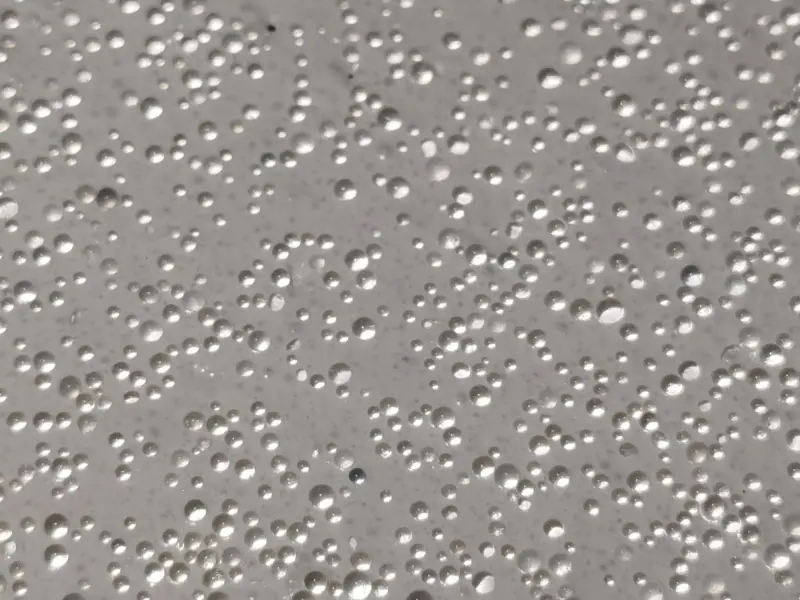
Daytime brightness may alternatively be specified by luminance factor β (B classes), and white/yellow chromaticity must fall inside the standard’s colour boxes. One trade-off to plan for: more drop-on beads push RL up, more anti-skid aggregate pushes SRT up — the two rarely peak together, so agree the class pair with the road owner before formulation.
De notre ligne à votre port
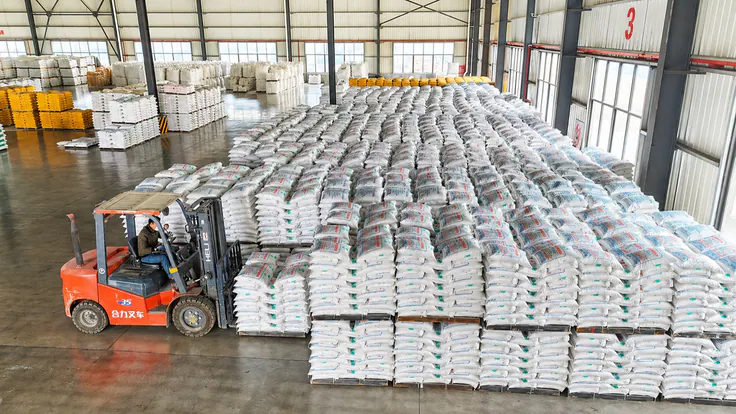
- Sacs tissés PP de 25 kg net — imprimés sous la marque PZTRAFFIC ou sous la vôtre : l’impression OEM des sacs est possible.
- Ensachage automatique et palettisation robotisée sur les lignes thermoplastiques de notre site de Hezhou.
- Chaque lot est validé par notre laboratoire interne avant d’être palettisé pour le chargement.
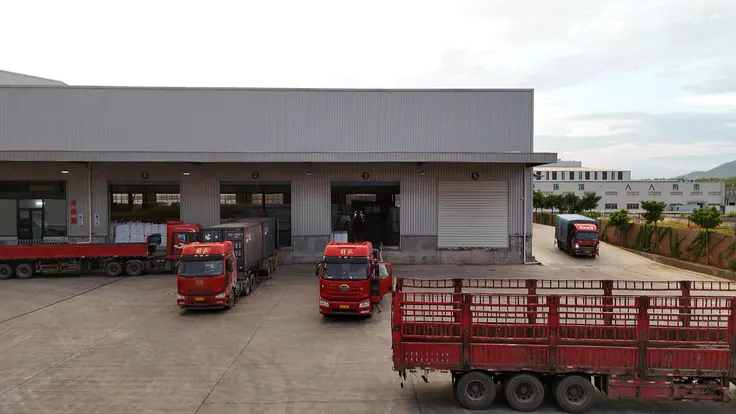
- Expédition depuis le port de Qinzhou — Livraison en Asie du Sud-Est sous 5–15 jours, et en Afrique et dans les Amériques sous ~30 jours en moyenne. Conditions commerciales EXW / FOB / CIF.
- Documents FORM E / ACFTA disponibles pour les acheteurs de l’ASEAN.
À associer avec
Questions d’achat
Q-01Can you provide samples?
Yes — free samples of 1–2 kg for any product. Whatever you pay for the sample and its freight is credited in full against your next purchase. Email info@pztraffic.com with the products and standards you need.
Q-02Is EN 1871 the same thing as BS 3262?
They are relatives, not twins. EN 1871 is the European laboratory-property standard that succeeded BS 3262 Part 1 — the 2000 edition declared the British part obsolescent. Tenders in markets with a BS heritage often still cite BS 3262, sometimes both at once. We manufacture within either framework; specify whichever your tender names.
Q-03Which trade terms do you support?
We can provide EXW, FOB, CIF services, etc.
Recevez un devis sous 24 heures
Veuillez remplir le formulaire ci-dessous et nous vous contacterons.