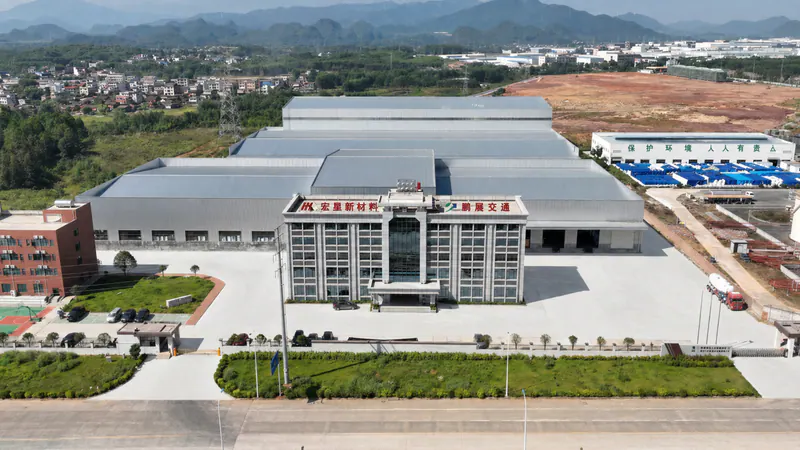
Cat Marka Jalan Termoplastik EN 1436/EN 1871
Material marka termoplastik untuk tender yang menggunakan kerangka Eropa. Sebagian besar pembeli mengenal produk ini melalui standar kinerja yang harus dipenuhi marka di jalan — EN 1436:2018 beserta kelas R / Q / S — sedangkan materialnya sendiri ditetapkan melalui EN 1871:2020.
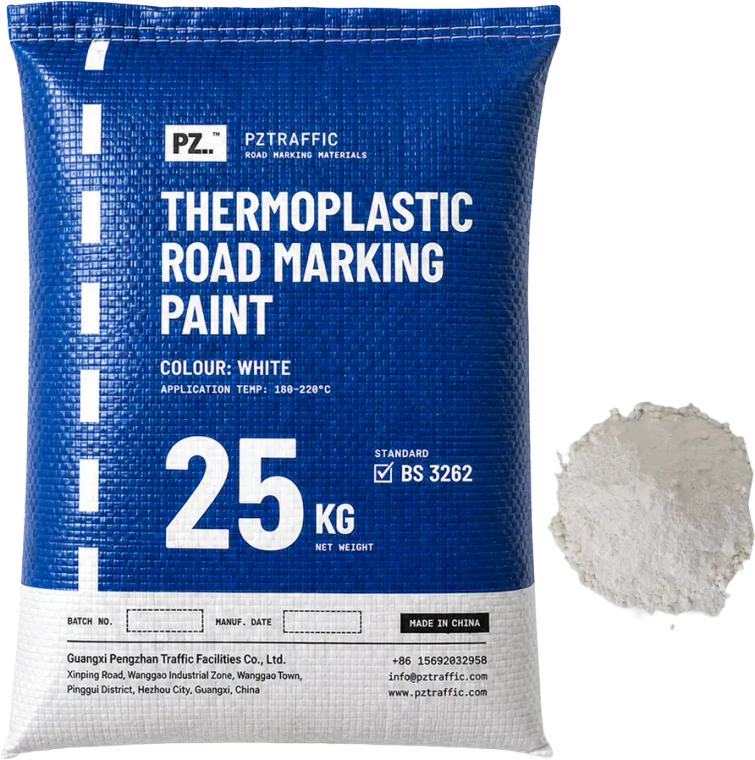
- NAMA PRODUKCat marka jalan termoplastik
- KEMASAN25 kg / karung
- STANDARKelas kinerja jalan EN 1436:2018 · sifat material EN 1871:2020
- DIKENAL JUGA SEBAGAICat marka jalan leleh panas · cat garis jalan aplikasi panas · kompon marka perkerasan termoplastik
- TEMPAT ASALGuangxi, Tiongkok
- APLIKASILeleh panas (dilelehkan dan diaplikasikan di lokasi)
- BENTUKSerbuk
- WAKTU KERINGRata-rata 2–5 menit
Cara Kerangka EN Menetapkan Spesifikasi
Tidak seperti BS 3262 atau AASHTO M 249, sistem Eropa membagi tugas menjadi dua: EN 1436 menilai kinerja garis di jalan, sedangkan EN 1871 mencakup sifat fisik material di laboratorium. Keduanya tidak menetapkan satu angka lulus/gagal — keduanya merupakan sistem kelas yang dipilih dalam tender. Nilai kelas di bawah mengutip EN 1436:2018; angka material kami terhadap kelas pilihan Anda disertakan dalam lembar data setiap pesanan.
One material, two standards
| Standard | What it governs |
|---|---|
| EN 1436:2018 | Performance classes on the road — retroreflectivity, daytime visibility, colour and skid resistance. The standard tenders actually cite, and the one buyers search for |
| EN 1871:2020 | Laboratory physical properties of the marking material — paint, thermoplastic and cold plastic |
| EN 1824 | Road trials |
| EN 1423 / EN 1424 | Glass beads — drop-on / premix |
EN 1871 is the functional successor of BS 3262 Part 1 — the British formulation standard it declared obsolescent in 2000. Markets with a BS heritage often cite both in the same tender; we manufacture to either framework.
Night-time visibility — RL classes, EN 1436:2018
| Condition | Classes | Minimum RL steps (mcd·m⁻²·lx⁻¹) |
|---|---|---|
| Dry — permanent white | R2 – R5 | 100 / 150 / 200 / 300 |
| Dry — permanent yellow | R1 – R5 | 80 / 100 / 150 / 200 / 300 |
| Wet — 1 min after wetting | RW1 – RW6 | 25 / 35 / 50 / 75 / 100 / 150 |
| Rain — 20 mm/h continuous | RR1 – RR6 | 25 / 35 / 50 / 75 / 100 / 150 |
Class 0 in every family means no value requested. Type II markings are those with enhanced wet or rain performance; if your project does not need wet-night figures, the clean way to say so is an explicit RW0 / RR0.
Daytime visibility and skid resistance
| Property | Classes | Minimum steps |
|---|---|---|
| Qd — white on asphalt | Q2 – Q5 | 100 / 130 / 160 / 200 mcd·m⁻²·lx⁻¹ |
| Qd — white on concrete | Q3 – Q5 | 130 / 160 / 200 mcd·m⁻²·lx⁻¹ |
| Qd — yellow | Q1 – Q3 | 80 / 100 / 130 mcd·m⁻²·lx⁻¹ |
| Skid resistance (pendulum) | S1 – S5 | SRT 45 / 50 / 55 / 60 / 65 |
Daytime brightness may alternatively be specified by luminance factor β (B classes), and white/yellow chromaticity must fall inside the standard’s colour boxes. One trade-off to plan for: more drop-on beads push RL up, more anti-skid aggregate pushes SRT up — the two rarely peak together, so agree the class pair with the road owner before formulation.
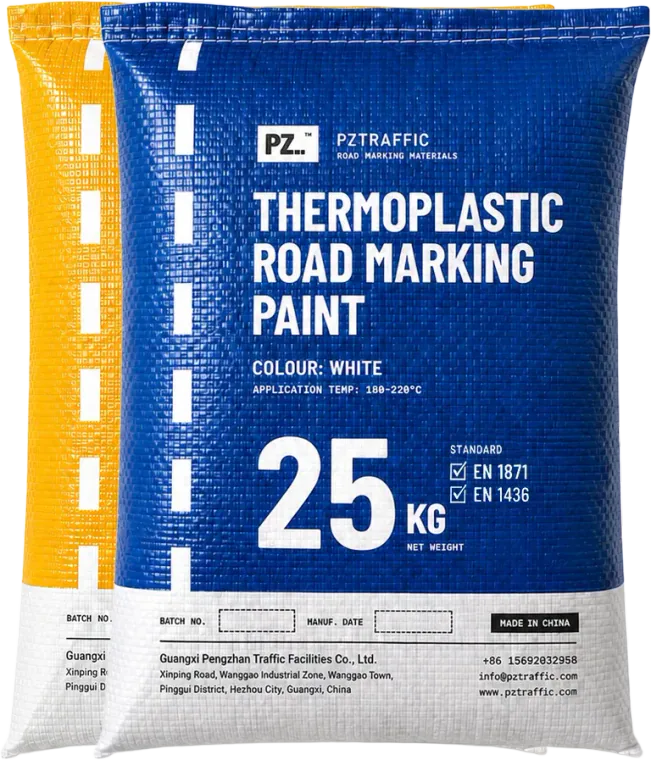
Dari Lini Kami ke Pelabuhan Anda
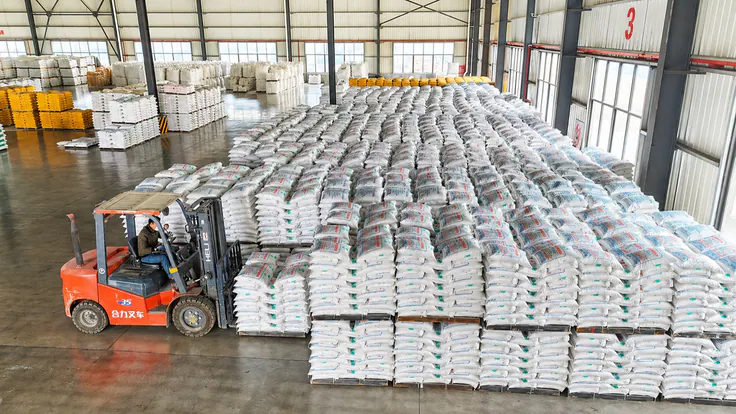
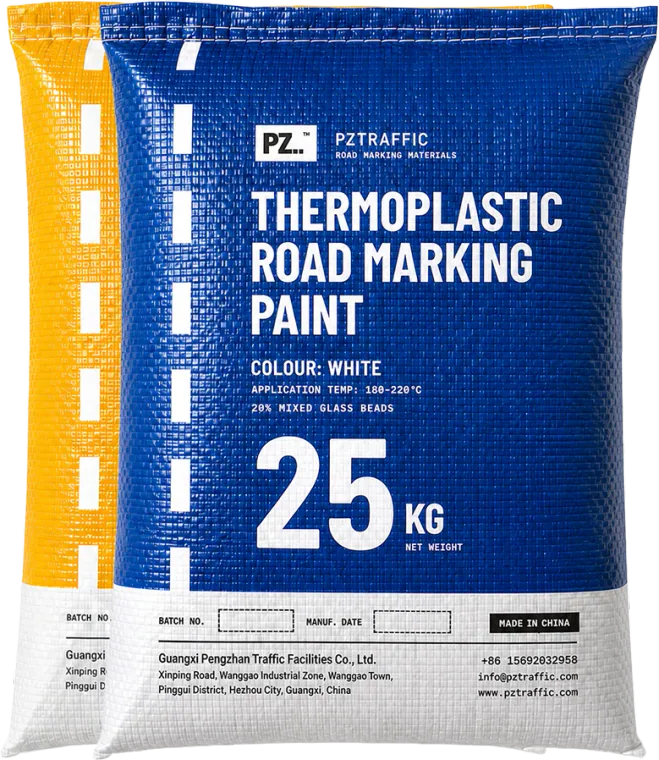
- Karung anyaman PP netto 25 kg — dicetak dengan merek PZTRAFFIC atau merek Anda sendiri: pencetakan karung OEM dipersilakan.
- Pengantongan otomatis dan penyusunan palet robotik pada lini termoplastik di fasilitas Hezhou kami.
- Setiap batch lolos laboratorium internal sebelum ditumpuk untuk pemuatan.
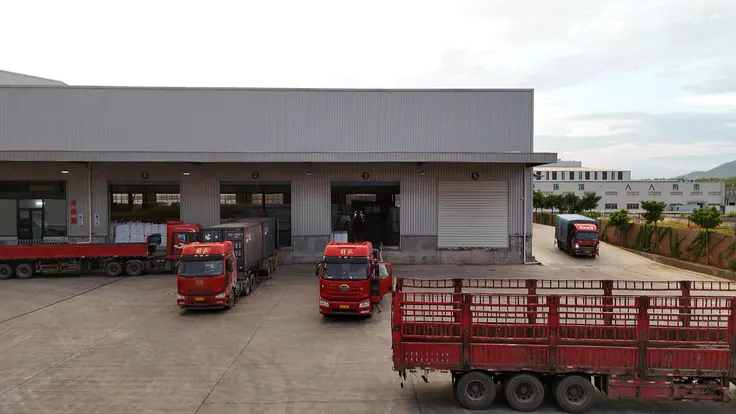
- Dikirim dari Pelabuhan Qinzhou — Asia Tenggara dalam 5–15 hari, Afrika dan Amerika rata-rata ~30 hari. Ketentuan perdagangan EXW / FOB / CIF.
- Dokumentasi FORM E / ACFTA tersedia bagi pembeli ASEAN.
Dipasangkan Dengan
Pertanyaan Pembelian
Q-01Can you provide samples?
Yes — free samples of 1–2 kg for any product. Whatever you pay for the sample and its freight is credited in full against your next purchase. Email info@pztraffic.com with the products and standards you need.
Q-02Is EN 1871 the same thing as BS 3262?
They are relatives, not twins. EN 1871 is the European laboratory-property standard that succeeded BS 3262 Part 1 — the 2000 edition declared the British part obsolescent. Tenders in markets with a BS heritage often still cite BS 3262, sometimes both at once. We manufacture within either framework; specify whichever your tender names.
Q-03Which trade terms do you support?
We can provide EXW, FOB, CIF services, etc.
Dapatkan Penawaran Harga dalam 24 Jam
Silakan isi formulir di bawah ini dan kami akan menghubungi Anda.